Author: Written by the Lakeview Precision Engineering Team, CNC Swiss turning specialists serving medical, aerospace, and electronics manufacturers from South Elgin, Illinois.
It is late October. Your Q1 production ramp is locked, the RFQs for next year’s components are going out in two weeks, and one of your current suppliers just shipped a lot of micro-pins that failed incoming inspection. Again. Now you have to decide whether to keep them on the approved vendor list or find someone who can actually hold the print.
Q4 is when medical device, aerospace, and electronics OEMs across the Midwest finalize vendor rosters, issue RFQs, and re-source legacy parts before Q1. For complex, high-stakes components, choosing a supplier is not a purchasing transaction. It is a risk decision. One out-of-spec lot of hydraulic valve spools or surgical pins can stop an assembly line, delay a product launch, or trigger a costly corrective action.
Evaluating precision machining services means looking past machine lists and hourly rates. A real audit tests five things: proven tolerance capability, material expertise, in-process quality control, engineering support, and supply chain stability. Here is what to check in each area.
1. Dimensional Capability and Tight Tolerance Verification
Almost every machine shop claims tight tolerances. Technical buyers know that holding plus or minus 0.001 inches on a simple turned shaft is very different from holding tolerances as tight as 0.0002 inches on a complex titanium implant component. During your audit, ask each supplier to show evidence of holding true position, concentricity, and surface finish on difficult alloys across full production runs.
Questions worth asking:
- What tolerances do you hold consistently in production, not just on prototypes?
- What is your diameter and length range for turned parts?
- How do you measure your tightest features, and how is that equipment calibrated?
- How do you control temperature in the inspection area?
Why Swiss Turning Matters for Precision Parts
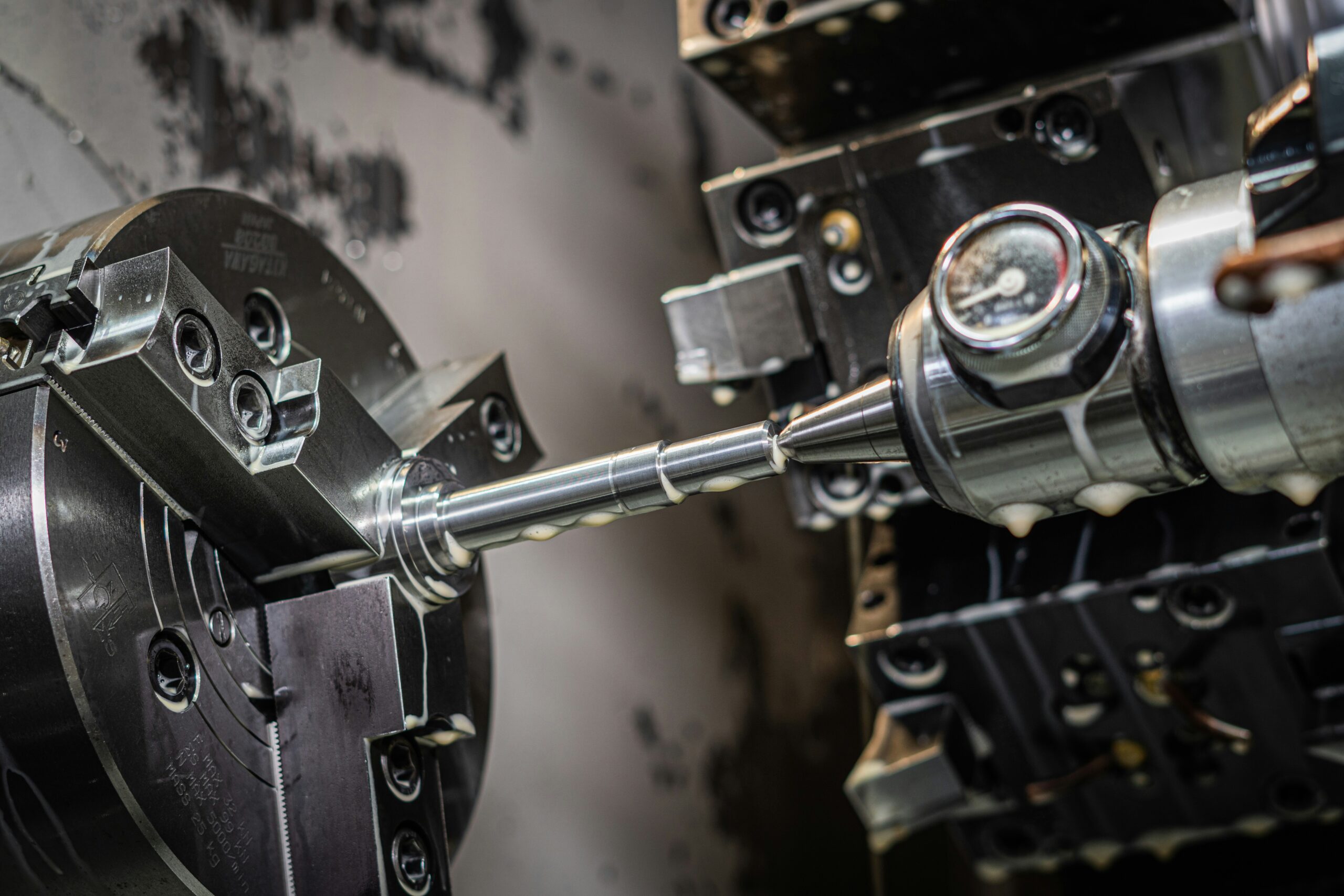
For small-diameter and long, slender parts, the machining method matters as much as the machine. CNC Swiss turning uses a sliding headstock that feeds bar stock through a guide bushing, so the material is supported right next to the cutting tool. That support limits deflection under cutting loads and allows long length-to-diameter ratios without losing dimensional control. Lakeview’s Swiss turning centers handle diameters up to 1-7/16 inches (38mm) and overall lengths up to 72 inches.
If a supplier cannot clearly explain how they measure their tightest features, whether with CMMs, optical comparators, or air gaging, treat that as a warning sign for mission-critical work.
2. Material Expertise in Tough Alloys
Material behavior has a direct effect on part reliability. Medical implants, aerospace fluid control parts, and high-density electronic connectors often call for alloys that work-harden quickly, build up heat at the cutting edge, or produce stringy chips that damage fine features.
- Stainless steels (316L, 17-4 PH, 440C): need carefully tuned speeds and feeds to avoid work-hardening during micro-drilling and deep-hole turning.
- Titanium (Grade 5 / Ti-6Al-4V): needs strong heat control and the right insert geometry to prevent tool welding and galling.
- Exotic alloys (Inconel, Hastelloy, Nitronic 60): need rigid tooling setups that withstand high cutting pressure without chatter or chipped tools.
- Electronics metals (beryllium copper, tellurium copper): need sharp tool geometry to keep crisp edges and avoid burrs on tiny pins.
A shop that machines exotic alloys the same way it machines mild steel will produce inconsistent lots, surprise lead time delays, and dimensional drift. Ask whether the supplier has proven tool paths, chip control strategies, and high-pressure coolant systems for the specific alloys on your prints.
3. Quality Assurance Built Into the Process
In precision manufacturing, quality is not a step that happens after parts come off the machine. It is built into the process. Your audit should focus on how a supplier prevents defects, not how it sorts scrap at the shipping dock.
At Lakeview, quality assurance starts with a risk assessment and continues with ongoing process monitoring to keep production within control limits. Ask every supplier to walk you through their equivalent: how they handle first-article inspection, what in-process checks run during production, and how they document lot traceability and certificates of conformance for medical and aerospace work.
Certifications provide outside verification that those processes exist. Look for ISO 9001:2015 quality management certification at a minimum. For defense-related programs, confirm the supplier is registered with the U.S. State Department’s Directorate of Defense Trade Controls under ITAR.
4. Design for Manufacturability as a Strategic Advantage
A transactional vendor machines your drawing exactly as written, even when a feature drives up cost or creates quality risk. An invested partner gives you DFM feedback before production begins.
During your audit, ask how early the supplier gets involved with your engineering team. Lakeview’s engineering support includes DFM analysis, material and process selection guidance, and cost reduction recommendations. A simple example: slightly increasing an internal corner radius can allow a larger, more rigid tool, which shortens cycle time and improves surface finish.
Early DFM review protects your program from engineering change orders after tooling is already set. It also confirms that every tight tolerance on the print serves the part’s function instead of adding cost for no reason.
5. Regional Proximity and Supply Chain Stability
Recent supply chain disruptions exposed the risks of long overseas supply lines. For Midwest OEMs, a precision machining partner in the Chicago area offers real advantages for both delivery and quality.
- Shorter transit: no customs delays or international shipping risk.
- In-person collaboration: engineers and buyers can visit the shop floor, run audits in person, and work through technical problems face to face.
- Direct communication: engineer-to-engineer conversations instead of time zones and translation delays.
- Flexible supply: options like single releases, annual blanket orders, and managed stocking programs through flexible inventory plans.
Communication matters as much as location. Ask how the supplier keeps you updated on tooling, material lots, and schedule milestones throughout production.
The Credentials Behind Every Lakeview Program
- 50+ years of precision machining. Lakeview has delivered precision machining services for more than five decades.
- Woman-owned and operated. Lakeview is owned, led, and operated by women, with women making up one-third of the workforce, and is WBENC certified.
- Certified for regulated industries. ISO 9001:2015, ISO 45001:2018, and ISO 14001:2015 certified, plus ITAR-registered broker status.
- Swiss turning built for precision. Diameters up to 1-7/16 inches and lengths up to 72 inches, with surface ground finishes available where runout is critical.
- Engineering support beyond the print. DFM analysis, material guidance, rapid prototyping, and functional testing before production begins.
Request a Drawing Review Before Your Q1 Ramp
If you are finalizing suppliers for next year, Lakeview Precision can review your prints, flag manufacturability risks, and show you how we would hold your tightest features in production. Our team works from South Elgin, Illinois, serving medical, aerospace, and electronics manufacturers across the Midwest.
Contact the Lakeview Precision engineering team or call 847-742-7170.
Key Takeaways
- Ask suppliers to prove tolerance capability across full production runs, not just on a first article.
- For long, slender, or small-diameter parts, CNC Swiss turning supports the bar right next to the tool and limits deflection.
- Tough alloys such as titanium, 316L, and Inconel need alloy-specific tooling, feeds, and coolant strategies, so ask for proof of experience.
- Quality should be built into the process through risk assessment and in-process monitoring, not sorted out at final inspection.
- Early DFM feedback and a domestic, nearby supplier both reduce the risk of costly changes and delivery delays.
Frequently Asked Questions
What should I look for when evaluating precision machining services?
Look for proven tolerance capability across full production runs, experience with your specific materials, a quality system built on risk assessment and in-process monitoring, early DFM support, and relevant certifications such as ISO 9001:2015 and ITAR registration.
What is CNC Swiss turning best for?
Swiss turning is best for small-diameter, long, or slender parts that need tight tolerances, such as pins, shafts, and connectors. The guide bushing supports the bar right next to the tool, which limits deflection.
Why does a Q4 supplier audit matter?
Q4 is when many OEMs finalize vendor lists and issue RFQs for the coming year. Auditing suppliers before Q1 production ramps up gives you time to qualify a new partner without disrupting production.
What certifications should a machine shop have for medical and aerospace work?
ISO 9001:2015 is a common baseline for quality management. Defense-related work typically requires ITAR registration, and some programs require additional industry-specific quality standards.
Why choose a Midwest machining supplier over an overseas one?
A regional supplier offers shorter transit times, no customs delays, easier in-person audits, and direct engineer-to-engineer communication, all of which reduce supply chain risk.