


When temperatures drop, parts that performed fine through the rest of the year can begin to fail. Thermal contraction, lubrication changes, and altered material properties all make winter a demanding season for components used in automotive, industrial, and outdoor equipment. That is why tight tolerance machining matters. Parts that are manufactured to precise dimensions are more likely to fit together correctly, operate reliably, and survive the stress of cold conditions. For Chicago precision manufacturing and beyond, investing in tight tolerance production now can prevent costly failures when the temperature bottoms out.
Why winter changes the mechanical rules
Cold weather affects materials and assemblies in a few predictable ways. Metals contract, seals can harden, and clearances designed for room temperature may become either too loose or too tight. Even a few thousandths of an inch of movement can change how bearings run or how seals compress. When fit, tolerance, and surface finish are all optimized, parts are better able to maintain function despite temperature shifts. That stability lowers the risk of field failures, emergency repairs, and warranty claims.
Tight tolerances reduce failure points
Tight tolerance machining reduces the variability built into every part. When mating parts are made closer to nominal dimensions, there is less accumulated error when assemblies come together. This decreases the chance that, under cold-induced contraction, two components will bind, leak, or wear prematurely. For assemblies like shafts and housings, or valve stems and seats, tighter tolerances translate directly into longer service life and predictable performance. Lakeview Precision documents how tight tolerance practices and quality control help deliver parts that meet demanding specifications.
Material selection, surface finish, and inspection
Precision in winter-ready components is not only about dimensions. Surface finish and material choice also play key roles. A smoother finish can improve sealing surfaces and reduce friction at low temperatures. Selecting alloys with favorable cold-temperature properties reduces the risk of brittle failure. Rigorous inspection throughout production ensures every piece meets spec before it ships. Combining these elements with professional precision machining services reduces the chance of end-use surprises. Learn more about Lakeview Precision’s overall capabilities and quality systems on the Capabilities page.
When CNC Swiss turning is the right tool
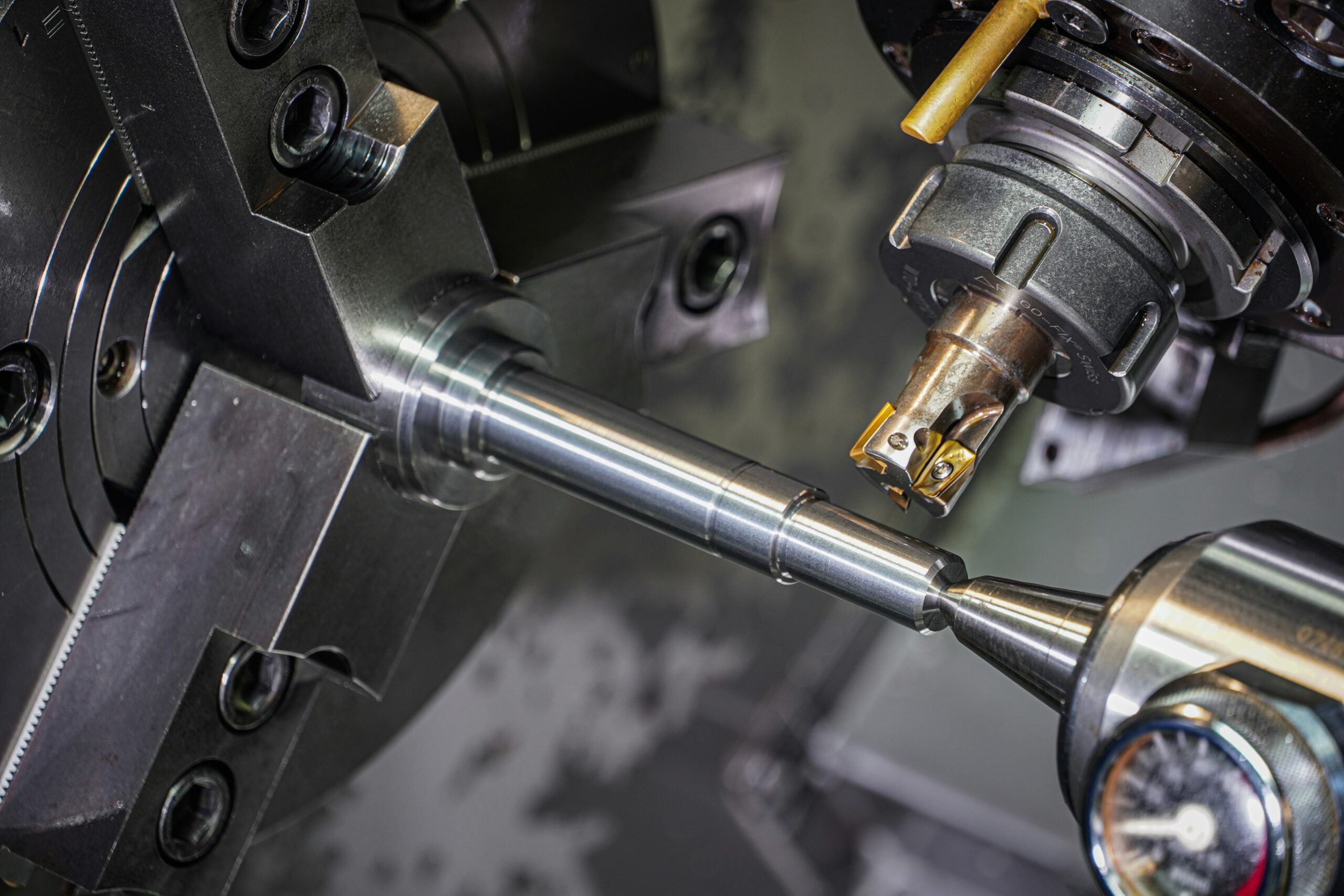
Some winter components are small, complex, and require extremely tight tolerances. CNC Swiss turning excels at producing these kinds of parts with high repeatability. Swiss-style lathes support the workpiece close to the cutting zone, minimizing deflection and enabling high accuracy on slender or intricate geometries. If your design includes small shafts, precision pins, or complex turned features that must behave reliably in cold environments, Swiss turning is worth considering. Lakeview Precision’s Swiss turning capabilities are set up for these exact scenarios.
Design for low temperature performance
Good part performance in winter starts in the design phase. Engineers should think about fit and clearance under the full expected temperature range, consider thermal expansion coefficients, and specify surface finishes appropriate for seals and bearings. Working with an experienced CNC machining partner early lets you optimize tolerances so parts are robust in winter conditions without adding unnecessary cost. Lakeview Precision offers engineering support to help evaluate manufacturability and tolerance choices as part of their precision machining services.
Production strategies that lower risk
Several practical production strategies help ensure parts survive cold weather service. Tight tolerance machining is a foundation, but adding controlled heat treatments, stabilized materials, and tighter incoming inspection criteria can make a difference. Consider production runs that include sample testing at low temperature when possible. Using multi-axis machining combined with in-process inspection reduces variation during setup and keeps parts consistent across lots. These approaches reduce scrap and avoid expensive field fixes.
Questions to ask your machining partner
When selecting a supplier to make winter-ready components, ask about their experience with tight tolerance machining and cold-temperature applications. Key questions include:
- Do you have documented processes for tight tolerance production?
- Can you produce and inspect to the tolerances specified in the design?
- Do you offer CNC Swiss turning for small, intricate parts?
If you want to talk specifics, reach out to Lakeview Precision to discuss how their team can support your winterized components.
Final thought
Winter exposes weak links in assemblies and accelerates failure modes that might go unnoticed in milder conditions. Tight tolerance machining is not only an engineering preference, it is a practical defense against downtime, warranty costs, and safety risks. By combining tight tolerances with thoughtful material selection, precise surface finishes, and capable processes like CNC Swiss turning, manufacturers can deliver components that remain reliable when the temperature drops.
For more details on specific services and to start a project, visit Lakeview Precision’s Tight Tolerance Machining page, explore their CNC Swiss Turning capabilities, or contact their team to get a quote.