


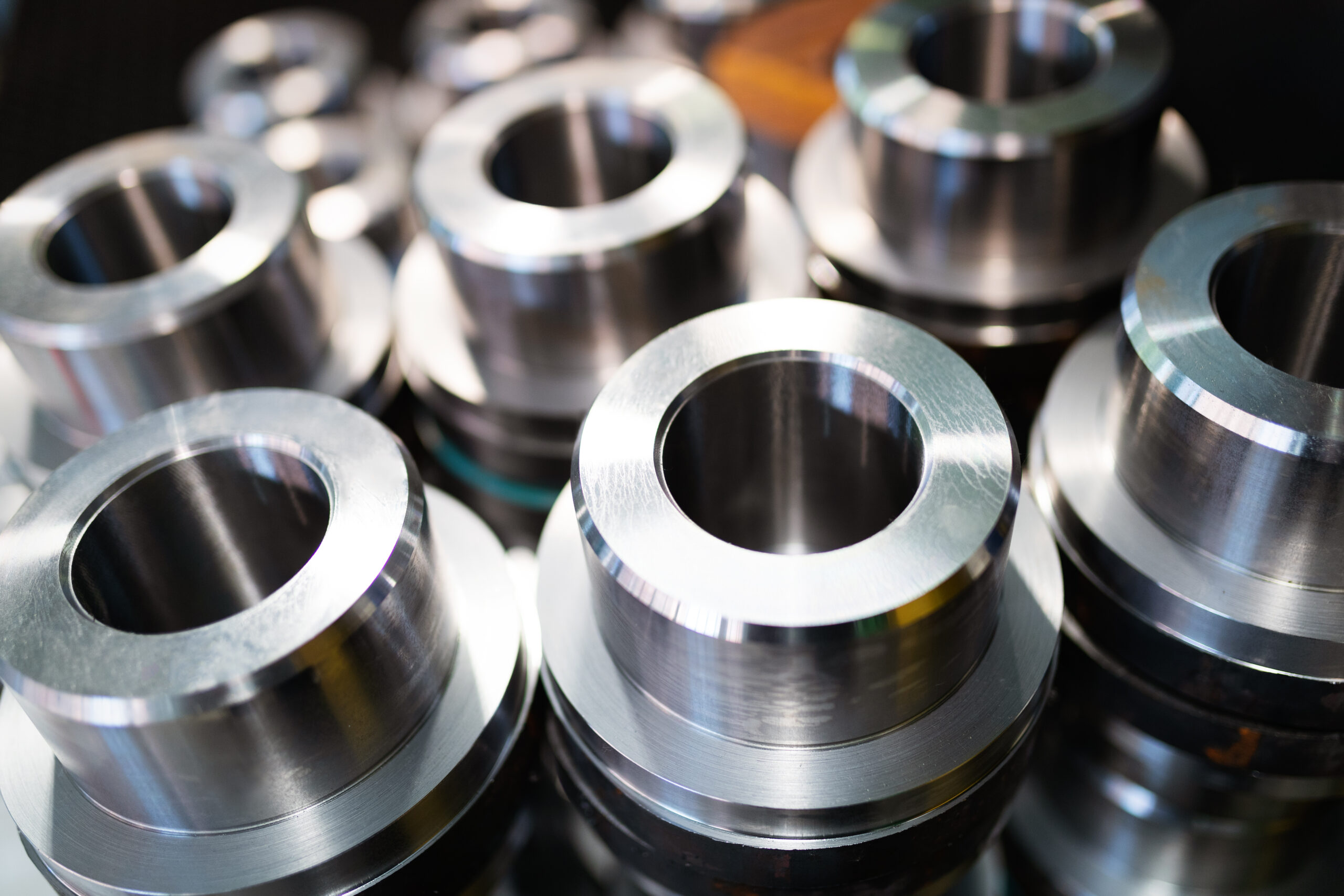
In today’s competitive manufacturing environment, efficiency and precision are more important than ever. Manufacturers are under constant pressure to deliver high-quality products faster, with fewer defects and less waste. This is where CNC machining comes into play. By leveraging advanced computer-controlled machinery, companies can reduce errors, streamline production, and save both time and money. In this post, we’ll explore how CNC machining contributes to improved accuracy, minimized waste, and overall manufacturing efficiency, particularly in the context of Chicago precision manufacturing.
What Is CNC Machining?
CNC machining refers to the use of computer-controlled machines to create precision parts. Unlike traditional machining, which relies heavily on manual operation, CNC machines follow programmed instructions to cut, shape, and drill materials with incredible accuracy. This automation eliminates much of the human error that can lead to defects, inconsistencies, and wasted materials.
There are several types of CNC machining processes, including milling, turning, and CNC Swiss turning, each suited to specific production needs. Regardless of the process, the fundamental advantage is the same: consistency and precision at scale.
Reducing Production Errors Through CNC Machining
One of the biggest challenges in manufacturing is avoiding mistakes that can compromise product quality. Even small deviations in dimensions or tolerances can lead to parts that don’t fit, malfunction, or fail in use. Traditional machining methods, reliant on manual adjustments and human skill, are more prone to these errors.
Lakeview Precision’s processes address this problem in several ways:
- Programmed Accuracy: CNC machines follow numerical commands down to fractions of an inch. This ensures that every part produced meets exact specifications.
- Repeatability: Once a program is set up, it can produce hundreds or thousands of identical parts with virtually no variation.
- Real-Time Monitoring: Many modern CNC machines come equipped with sensors and feedback systems that detect deviations immediately, preventing faulty parts from progressing through the production line.
By significantly reducing human error, manufacturers can maintain higher quality standards and minimize the cost of rework or scrapped materials.
Enhancing Productivity and Reducing Downtime
Errors and wasted materials don’t just cost money—they also slow down production. Every defective part represents lost time, whether it needs to be reworked or scrapped entirely. CNC machining minimizes these interruptions by producing accurate, high-quality parts consistently, keeping production lines moving smoothly.
Furthermore, CNC machines can run continuously with minimal supervision, which allows us to scale up production without sacrificing quality, giving companies in competitive markets like Chicago a clear edge.
CNC Swiss Turning and High Precision Machining
Certain manufacturing applications demand even higher levels of precision and efficiency. CNC Swiss turning is a specialized process that allows for the production of small, complex parts with extremely tight tolerances. This method is particularly effective for industries like medical devices, electronics, and aerospace, where even minor deviations can have serious consequences.
High precision machining in general offers similar advantages, allowing manufacturers to create intricate components that meet rigorous standards. By combining these advanced techniques with CNC automation, companies can ensure minimal errors, reduced waste, and consistent product quality.
Choosing the Right CNC Machining Partner
To fully realize these benefits, it’s essential to work with a trusted CNC machining partner. Look for a partner with:
- Expertise in high-precision machining and tight-tolerance machining
- Experience with CNC Swiss turning and other advanced processes
- A track record of delivering consistent quality
- Strong project management and communication to minimize errors and downtime
A reliable machining partner can not only provide the technical capabilities but also help identify opportunities to reduce waste, improve efficiency, and enhance overall production quality.
The Bottom Line
CNC machining plays a crucial role in modern manufacturing by reducing errors, minimizing waste, and boosting productivity. For companies involved in manufacturing Precision CNC Machined components, these advantages are more than just operational—they are competitive differentiators. From precision machining services to CNC Swiss turning, investing in advanced machining technologies ensures consistent, high-quality parts while saving time, materials, and money.
In an era where efficiency, accuracy, and sustainability are increasingly important, CNC machining isn’t just a tool—it’s a strategic advantage.